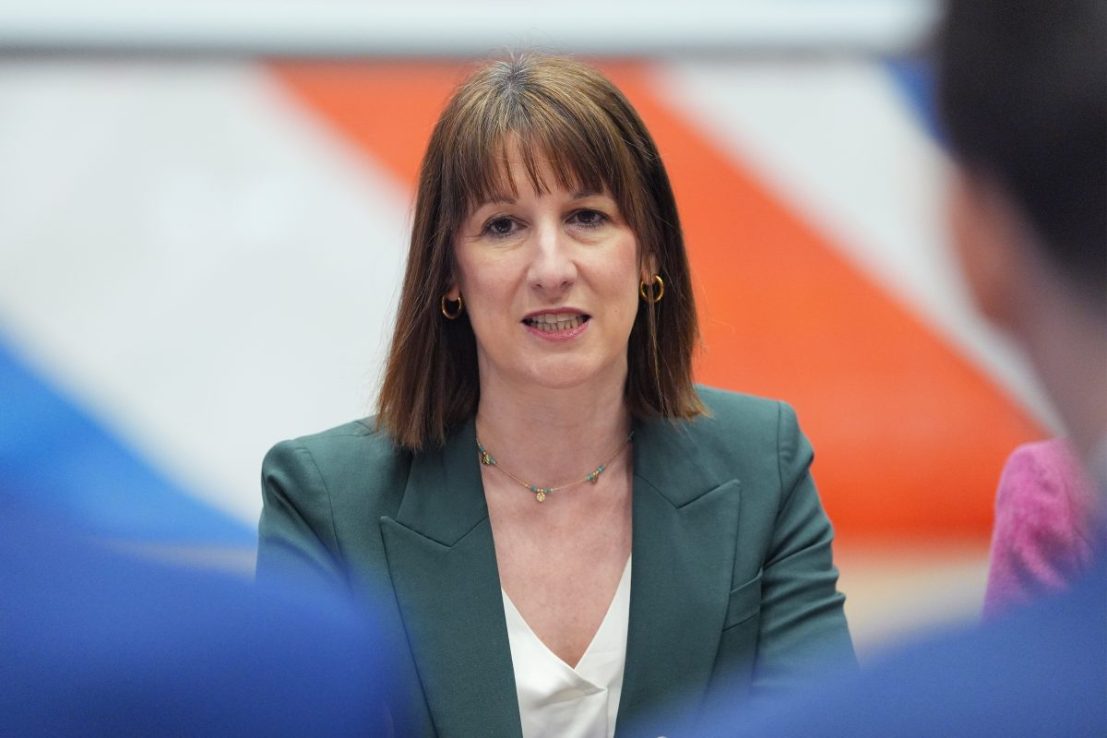
City broker Shore Capital has blasted the Treasury as incapable of creating economic growth, as Britain gears up for a tax-raising budget.
Rumours of various taxes that Rachel Reeves might introduce in this Autumn’s budget in an attempt to plug a £40bn gap in the nation’s finances have been swirling, despite strong pushback from companies and consumers.
Describing Britain’s political leaders as “detached, ignorant, and selfish”, Shore Capital analysts Clive Black and David Hughes said the Treasury “just do[es] not understand the damage they are causing to this country’s consumer economy.”
“[The Treasury is] incapable of either creating the conditions for private capital to flourish or controlling Government expenditure, making for a never-ending debate on what taxes to increase,” Black and Hughes said.
The Office for Budget Responsibility (OBR) is expected to have handed Chancellor Rachel Reeves a dire evaluation of the UK economy in its pre-Budget report, with growth forecasts anticipated to have been slashed along with downgrades to productivity.
This will increase the amount of spending cuts or tax hikes the Chancellor will have to make in the Budget.
“Unsurprisingly, consumer confidence is low and spending constrained, with nervousness ahead of the Budget abound,” the analysts added.
‘No one pretends that running the UK is easy’
The analysts pointed to the monthly BRC-KPMG RSM retail sales monitor, which showed Brits tightening their belts this Autumn as food inflation ate into their disposable income.
“With the Budget looming larger and households facing higher bills, retail spending rose more slowly than in recent months… Rising inflation and a potentially taxing Budget is weighing on the minds of many households planning their Christmas spending,” BRC chief Helen Dickinson said.
Grocery price inflation in the UK passed five per cent in September to its highest level since July after the cost of fresh meat and coffee jumped.
“To be clear, the prime source of that UK food inflation is the policies of the British Government, [and] taxes on labour,” Black and Hughes said.
They pointed to the effect of elevated employers’ National Insurance Contributions (NIC), the higher National Living Wage (NLW) and wider raids such as the new Extended Producer Responsibility (EPR).
“No one pretends that running the UK is easy and no one can deny that the Tories left a dreadful legacy,” analysts said.
“A country tired of stupid incompetence just wanted some quiet capability, supposed grown-ups to stabilise matters… Alas, despite the rhetoric, things have been anything but quiet or capable.”
‘The government does not understand private capital’
A common critique of the current Labour government is that it does not understand business needs, and lacks a coherent economic plan to work with business and create growth.
Earlier this year, entrepreneur James Dyson warned that Reeves is “killing the geese that lay the golden eggs” by taxing business, while a host of firms have warned on the inflationary effect of tax rises.
Business confidence hit a three-year low this summer, with firms blaming squeezed profits, low recruitment and investment levels, and tax fears.
“It is not evident that the Cabinet and especially The Treasury understands what it is to be an entrepreneur, an innovator, ‘to have a go’ by deploying one’s own or someone else’s capital to try and create profit, generate wealth,” Hughes and Black said.
“[The] British state needs to change its approach and narrative, and soon, because it is doing damage to British households, British retailers, and the British consumer economy,” analysts concluded.
City AM has contacted the Treasury for comment.