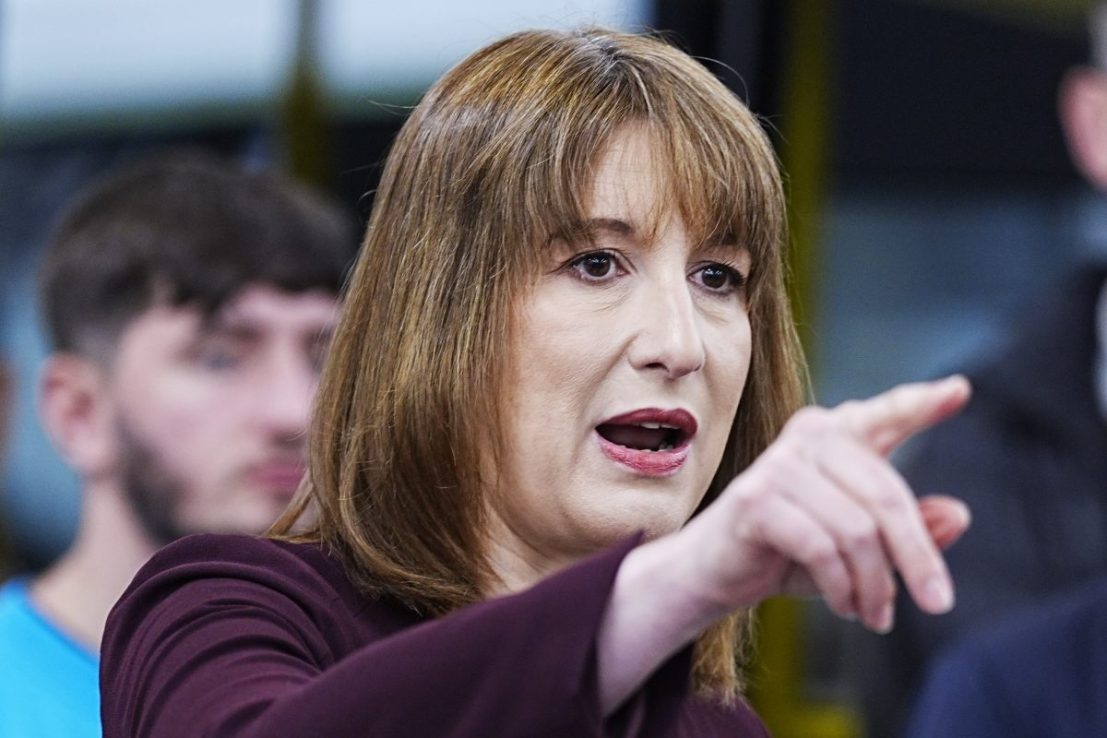
Rachel Reeves has signalled that wealthier households will be asked to “contribute more” in her Budget next month, as the chancellor seeks to close a £20–30bn gap in the public finances without cutting spending or taking on new debt.
Treasury sources told The Telegraph that Reeves will neither reduce public spending nor expand borrowing significantly, leaving higher taxes as the only realistic option to balance the books.
One source said the chancellor “will be fair when asking those to contribute more to rebuild our public services”.
A second Treasury member said Reeves was prepared to take “tough decisions” to protect the “stability” of the public finances, but insisted there would be no “return to austerity”.
The same source added: “Borrowing more would put our public finances in jeopardy, saddling future generations with more debt, while a return to austerity would condemn the country to decline”.
Wealth and property
Officials are understood to be exploring tax rises focused on those with higher incomes and greater wealth, rather than ‘working families’.
This could include property, inheritance and investment taxes, as speculation grows that Reeves wants to increase the £9.9bn fiscal buffer she left herself in March to protect against bond-market volatility.
However, new HMRC analysis has complicated those plans. Figures show that increasing capital gains tax could actually reduce government revenue, as investors delay selling assets.
A ten-percentage-point increase could cost the chancellor £3.6bn a year by 2028–29, while a five-point rise would cost £870m.
Andrew Griffith, the shadow business secretary, warned that further hikes would be counterproductive, saying: “Given these figures, it would be a costly prejudice to further increase capital gains tax. The xhancellor should follow the numbers and rule this out now”.
Tax fatigue
The chancellor’s approach comes amid signs of growing unease among Britain’s wealthy.
Recent data from the Saltus Wealth Index found that nearly 80 per cent of high-net-worth individuals expect Labour to raise taxes within the next year, with many fearing increases to capital gains, inheritance and property taxes.
The research also found that more than a third of respondents are already reviewing their pension and estate plans to protect wealth from potential future changes.
That anxiety appears to be translating into action. Media entrepreneurs Simon and Selena Barr, who built two UK companies employing 50 staff and 120 freelancers, said they decided to move their family to Dubai just before Labour’s election victory in July.
“We were looking at the Labour manifesto”, Simon Barr said. “We were going to be deeply penalised for the successes that we are now getting from the businesses. We felt that we had no option but to vote with our feet and leave the UK”.
A tightrope Budget looms
A member of the Treasury said Reeves aims to “maintain a tight grip on public spending and wage a war on waste” to keep inflation and interest rates down, while still investing to “get our economy firing again”/
Analysts expect her to find at least £30bn through tax measures when she delivers her Budget on 26 November, while unveiling a series of pro-growth reforms in planning, infrastructure and investment.
“The responsible choice”, another Treasury spokesperson said, “is to reduce our levels of borrowing in the years ahead, so we can spend more on our public services, more on the priorities of working people and less on servicing debt”.
With the UK economy facing what has been described as a “once-in-a-generation challenge”, Reeves’s first full fiscal test is shaping up to be one of the most politically charged Budgets in years.