Higher taxes and the sting from US tariffs are set to restrain UK growth, according to forecasters at the Organisation of Economic Co-operation and Development (OECD), with inflation soaring above all other countries other than the US.
The OECD’s latest update on the state of the global economy said the UK’s “tighter fiscal stance” means growth will hit one per cent next year.
This is an unchanged prediction from its last forecast although it upgraded its UK growth outlook for 2025 from 1.3 per cent to 1.4 per cent.
The OECD’s forecasts are closely watched by City economists and government officials as a key indicator of how the UK economy compares with the world’s most dominant economies, with its figures likely to set the tone on growth and inflation ahead of the Budget.
Projections by the Office for Budget Responsibility (OBR) on growth, which is crucial in respect of Reeves’ headroom, said in March that GDP growth would be 1.9 per cent in 2026. The watchdog is expected to dramatically downgrade its forecast when it publishes its fiscal report alongside the Budget.
The OECD report landed just as the latest PMI data revealed the fragility of the UK’s private sector, with output in September slumping to a four-month low.
Chris Williamson, Chief Business Economist at S&P Global Market Intelligence said:
“September’s flash UK PMI survey brought a litany of worrying news including weakening growth, slumping overseas trade, worsening business confidence and further steep job losses.”
He added: “With the weakening of business activity growth to a rate consistent with the economy almost stalling, and around 50,000 job losses being signalled by the PMI again in the three months to September, alarm bells should be ringing that the economy is faltering, which could help shift the policy debate at the Bank of England back towards a more dovish stance.”
Rachel Reeves: ‘there is more to do’
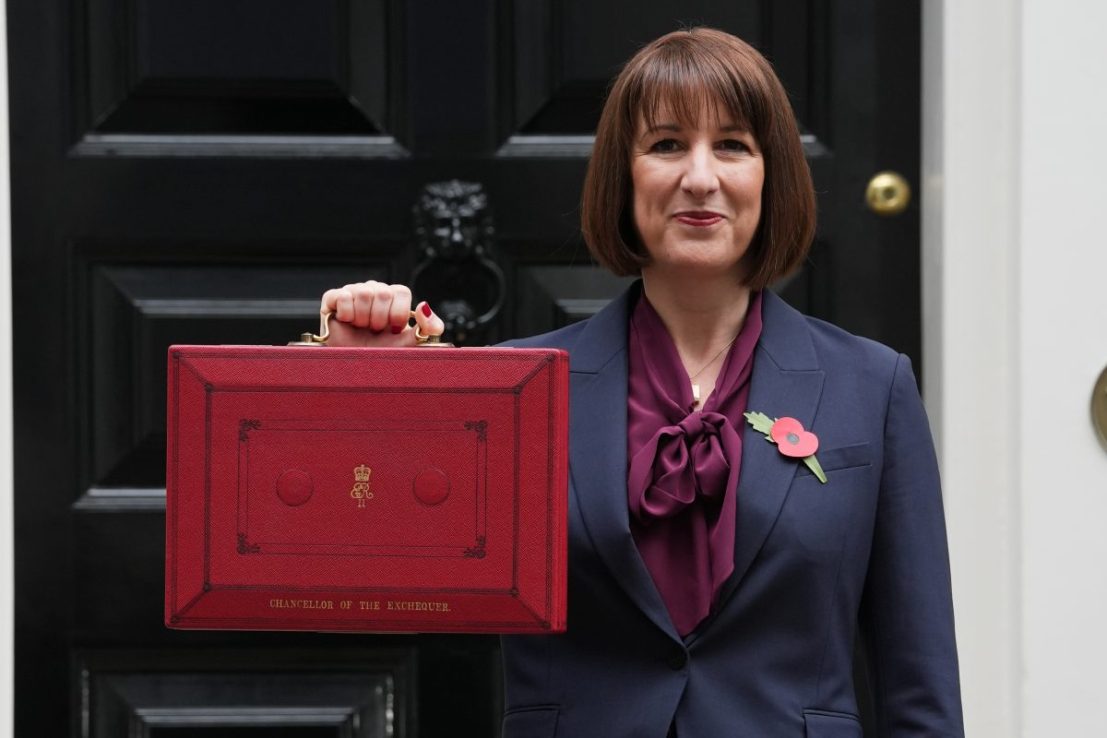
In response to the OECD’s new report, Chancellor Rachel Reeves said figures “confirm the British economy is stronger than forecast”.
“It has been the fastest growing of any G7 economy in the first half of the year,” Reeves said.
“But I know there is more to do to build an economy that works for working people – and rewards working people. That is what I’m determined we deliver through our plan for change.”
The OECD said that some “front-loading” in imports over the first half of the year amid fears that President Trump’s tariffs would hamper global trade helped boost production and growth levels.
OECD research found that industrial growth across the world in the first six months of the year was larger than 2024’s average, with a slowdown set to add pressure on some of the biggest economies over the coming months.
UK economy’s inflation struggles
In more concerning data, the OECD said inflation in the UK would be second only to the US in the next year, with President Trump’s tariffs set to add to costs for American consumers.
It said inflation would hit 3.5 per cent in 2025, which is 0.4 percentage points higher than it previously forecast.
Price growth will remain above the Bank of England’s two per cent target next year, with inflation remaining high at 2.7 per cent.
The OECD called on governments to “strengthen economic growth” and for central banks to remain “vigilant” in the face of inflation risks, with its global GDP forecast for 2026 falling to 2.9 per cent.
Its growth estimate for next year is lower than its 3.2 per cent prediction for 2025.