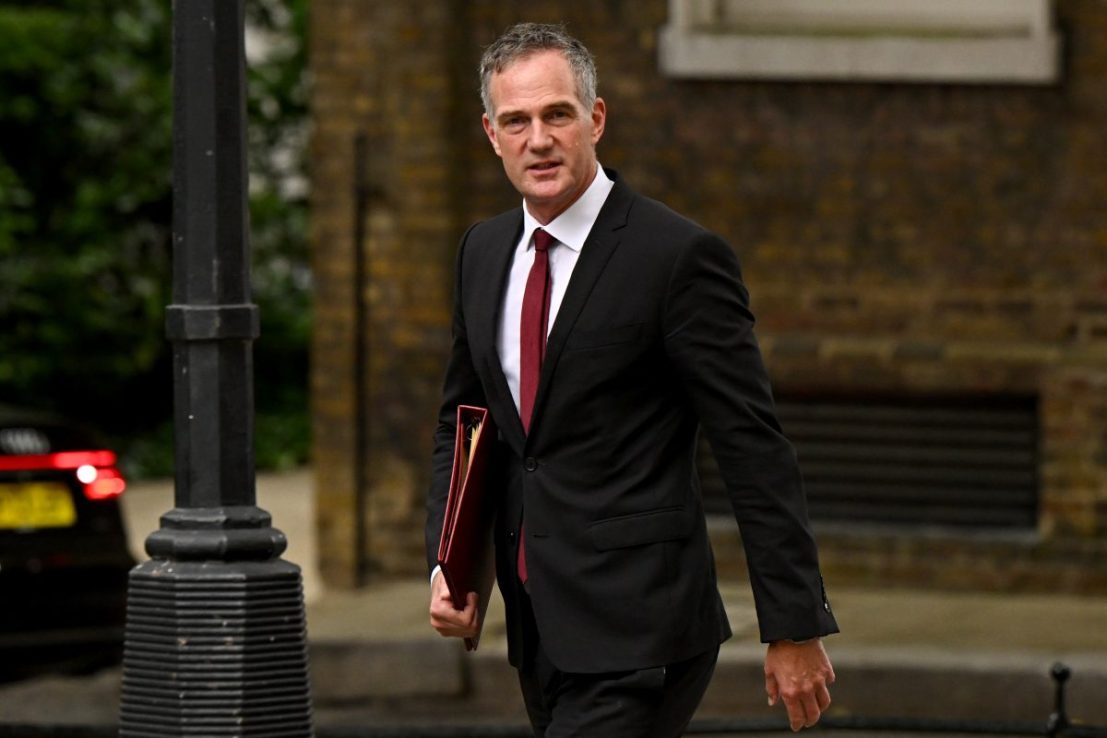
Peter Kyle becomes the tenth business secretary in as many years – he should go where his predecessors didn’t and genuinely cut red tape, says Joe Hill
As Westminster calms down from a heady weekend of reshuffle-watching, new ministers will be getting to grips with their new briefs. It’s not an enviable task – when I was a civil servant, the briefing packs we prepared often ran into the hundreds of pages… and that was just the “day one” briefing!
Of all the new appointees, readers might have the most sympathy for the new business secretary, Peter Kyle. The tenth in the job in as many years, he has an uphill struggle ahead of him. The private sector is increasingly weary of the mismatch between the government’s line that growth is its top priority, and the reality that businesses, the engine of growth, have never felt under more pressure.
This year, for the first time since records began in 2012, the number of businesses registered with Companies House has fallen instead of risen. More companies are closing their doors and fewer new ones are opening. And the number of payrolled employees is falling, also following hikes in employer National Insurance contributions last year.
Given the government’s struggle to control the cost of public spending, going back on the tax rise seems unlikely. The Treasury may even feel it has to double down, with more tax rises to balance the books. To boost business confidence, and raise growth at the same time, the Business Secretary should get serious about an area where this government has talked the talk, but not walked the walk: regulation.
In January, Keir Starmer said “deregulation is now essential”, and promised to cut through “thickets of red tape” in a bid to get investment flowing back into Britain. In March, he announced an action plan, and targeted cutting compliance costs by 25 per cent.
But the rhetoric hasn’t matched up to reality. Since then, the government has continued creating more regulators, such as the Independent Football Regulator, a policy designed with no obvious market failure to solve, and implemented four years after it was originally called for. A slew of new regulators and other public bodies are also on the way.
Labour is creating more red tape, rather than cutting it
Labour is creating more red tape, rather than cutting it. Controversial legislation like the Employment Rights Bill, which has been delayed, is still on the legislative agenda. And deregulation is vital in areas like planning policy. Without it the government can’t deliver its commitments to build 1.5m new homes and new clean energy infrastructure. But the Planning and Infrastructure Bill has seen the government give in to a few extreme voices in the environmental lobby, to the detriment of everyone else.
Instead of targeting areas for regulatory reform, the government has told regulators to regulate “for growth, not just risk”. Clearly growth is on their mind, but this approach won’t go far enough. Because it is the job of regulators to manage risk, and the job of politicians to decide which risks are worth regulating in the first place, and at what cost to the economy. Trying to pass the buck won’t change that.
Governments often get stuck in a principled debate about whether the economy is over-regulated or under-regulated. It’s hard to answer that with any objectivity. But most people recognise that creating new regulation is often politically convenient, and certainly easier than removing existing regulations. Over time, that only means more and more rules on the books.
Regulation doesn’t come for free
Creating more regulation seems cheap, but in reality, it’s often very expensive – the costs are just borne by someone else.
Time after time, the impact assessments for many new regulations show that the cost is far higher than anyone thought, and the benefits are far lower. The evaluation of Martyn’s Law, brought in to require venues to have more security following the Manchester Arena bombing, estimates that the costs to the whole of society will be 70 times greater than the benefits.
The second staircase rule, brought in following the Grenfell tower fire, was estimated by the Government’s own analysts to cost over £2.6 billion more than the benefits it brings – including lives saved. The new Building Safety Regulator, which introduces more checks on higher rise buildings, has significantly slowed new housebuilding, contributing to a situation where 23 of London’s 33 Boroughs didn’t start any new housing developments in the first quarter of 2025.
Kyle’s department, Business and Trade, is outnumbered across government by other departments wanting to layer more and more regulation on top of the private sector’s existing rules. It’s not an easy job to square off with all of them. His natural allies would be in the Treasury, who should be focused on growth. But as I know from my time working there, too often the Treasury nods more regulation through heedless of the economic costs, because it sees it as a preferable alternative to spending more public money. Instead of having to rebalance tricky budgets, it’s easier to just pass costs on to the private sector, where they go unaccounted.
But the Treasury should have more sympathy, because it’s exactly the same problem they face with public money. Every other department only wants to spend more, and doesn’t care where it comes from. It’s up to HMT to be the bad guy on spending, just like it seems up to the Department for Business and Trade to try and win the argument on regulation.
Peter Kyle can change that, and it could be the defining moment of his career. Because in a world where giving businesses tax breaks seems fiscally challenging, deregulation is cheap – and one of our best shots at getting Britain growing.
Joe Hill is policy director at Re:State think tank