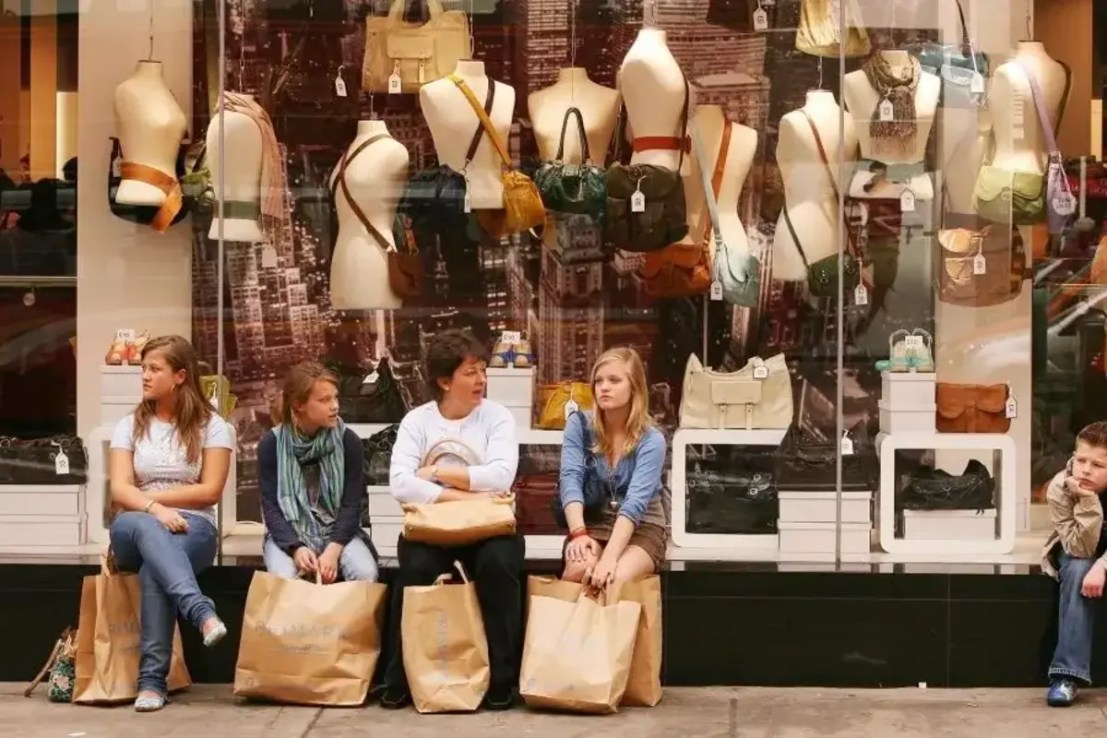
Footfall on UK high streets fell again in July as shoppers continued their slow move online, dashing retailers’ hopes for a summer boost.
Overall footfall – which includes high streets, retail parks and shopping centres – fell 0.4 per cent in July, while high street footfall fell 1.7 per cent.
Andy Sumpter, Retail Consultant EMEA for Sensormatic, said that UK footfall has remained “stubbornly negative”.
“Events such as the Oasis tour have given local uplifts in traffic, only for it to slide away shortly after… one year into a new Labour government, consumer sentiment remains cautious,” he said.
Footfall in Manchester grew during the surveyed period, likely due to the presence of Oasis on five days in July, which boosted spend across retail and hospitality.
Meanwhile, footfall in London fell 0.5 per cent in July, after falling 2.7 per cent in June.
“July failed to bring about the summer boost in shoppers many retailers had hoped for. Instead, footfall dipped in July for the second consecutive year,” Helen Dickinson, chief executive of the British Retail Consortium, said.
“Customers want a vibrant shopping destination, but with around one in seven shops lying empty, more needs to be done to turn town and city centres into places people want to visit,” Dickinson said.
Around 10 per cent of retail jobs have been lost in the last decade, with another one in ten set to be lost by 2027.
The number of retail job vacancies has fallen by 39 per cent year on year, according to Adzuna’s latest jobs report.
Structural issues for high streets – like the move to online shopping – have been compounded by high taxes and a consumer move to experiences over goods.
Shops have been particularly incensed by high business rates, which are charged on licensed premises, saying they put high streets at a disadvantage to online-only business, which only have to pay business rates on their warehouses.
“While government’s plan to reduce business rates for most Retail, Hospitality and Leisure premises is a step in the right direction, only a substantial cut will truly benefit communities nationwide and help bring thousands of empty shops back into use.
“Many smaller shops and businesses rely on larger anchor stores to attract footfall so the upcoming reforms must also ensure no store pays more, or risk seeing many larger stores close their doors or raise their prices,” Dickinson added.