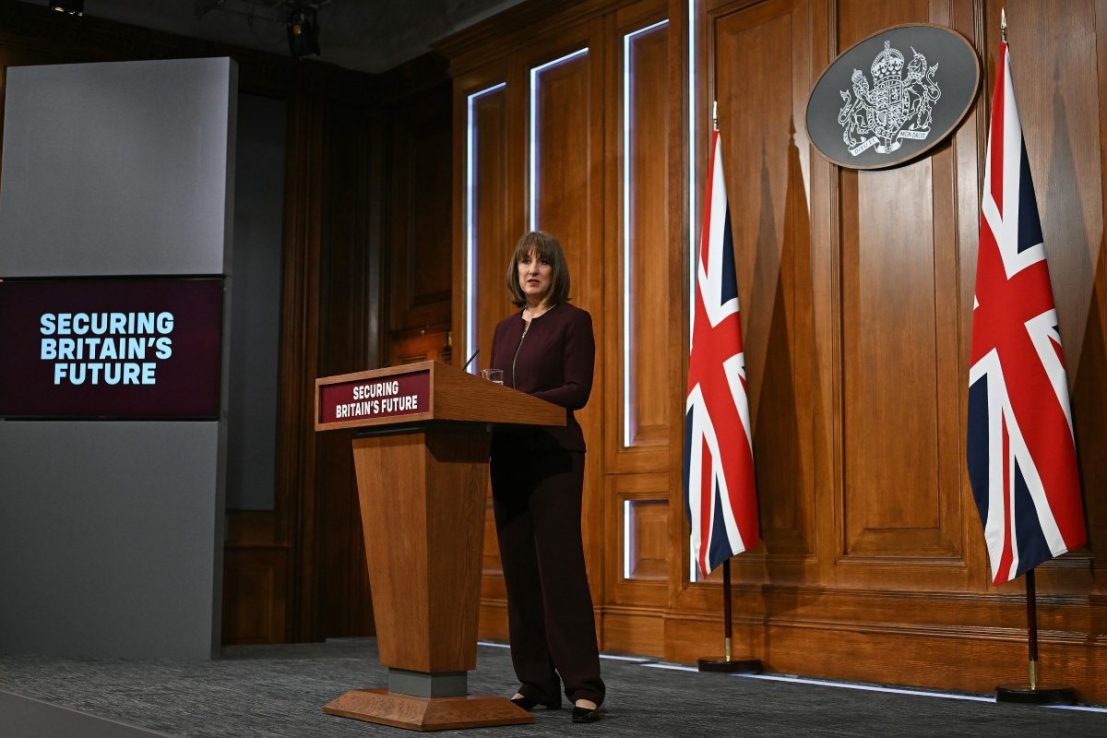
Chancellor Rachel Reeves is poised to reduce her wafer-thin £9.9bn headroom even further at the Autumn Budget to avoid making sweeping tax rises, analysts at one of the world’s biggest banks have predicted.
Leading think tanks and City analysts have warned that Rachel Reeves will look to raise as much as £30bn in taxes later this year to restore the fiscal buffer left at the Spring Statement.
But JP Morgan’s Allan Monks has suggested that Reeves could opt to make her headroom even smaller, avoiding sweeping tax hikes on businesses and savers despite criticism that a £9.9bn buffer was already too small to overcome negative shocks.
Monks said the Chancellor faced a “trade-off” in balancing the risks of political backlash over tax rises and potential gilt market volatility if an “inadequate” level of headroom was put in place.
“We expect the Chancellor to strike a balance by raising some taxes but also running headroom down a little further,” Monks said.
The Wall Street bank’s calculations suggest weaker average growth could wipe Reeves’ entire headroom out while downgrades caused by the Employment Rights Bill, tariffs and the costs of U-turns on welfare reforms would also pose a test to her fiscal rules.
In total, Reeves could face a £9.9bn shortfall, with JP Morgan warning the figure could be worse if the Office for Budget Responsibility (OBR) judges immigration changes to cause harm to the UK economy.
“If there is a £20bn deterioration then the Chancellor could opt to raise just £10-15bn in taxes and operate with reduced headroom as opposed to the current buffer of £9.9bn,”Monks said.
“This would be unusual, although there have been some instances when the headroom has been slightly below the current level.”
Monks said there were few tax-raising options available to the government given it ruled out changes to income taxes, VAT or employees’ national insurance during last year’s electoral campaign, representing some 70 per cent of tax receipts.
“Should the government require more substantial revenues to be raised, taxation of pensions is the area that could yield substantial receipts and has not been ruled out in Labour’s manifesto,” he said.
Monks referenced research by the Institute for Fiscal Studies (IFS) which found that a reduction in the relief on the higher tax rate payers receive on their pension contributions from 40 per cent to 20 per cent could yield an extra £15bn a year.
Rachel Reeves’ drive for credibility
OBR chiefs warned as early as March that Rachel Reeves’ “very small” headroom risked getting wiped out by the autumn.
Labour’s debacle on welfare reforms led economists at the National Institute of Economic and Social Research to suggest that the Chancellor would have to build a larger fiscal buffer to restore her “credibility”.
Bond markets appeared to back Reeves when Keir Starmer declined to rule out her sacking at a recent PMQs, selling UK government bonds en masse over fears a new Chancellor could seek to borrow more.
Starmer clarified Reeves would remain Chancellor hours later, calming markets.