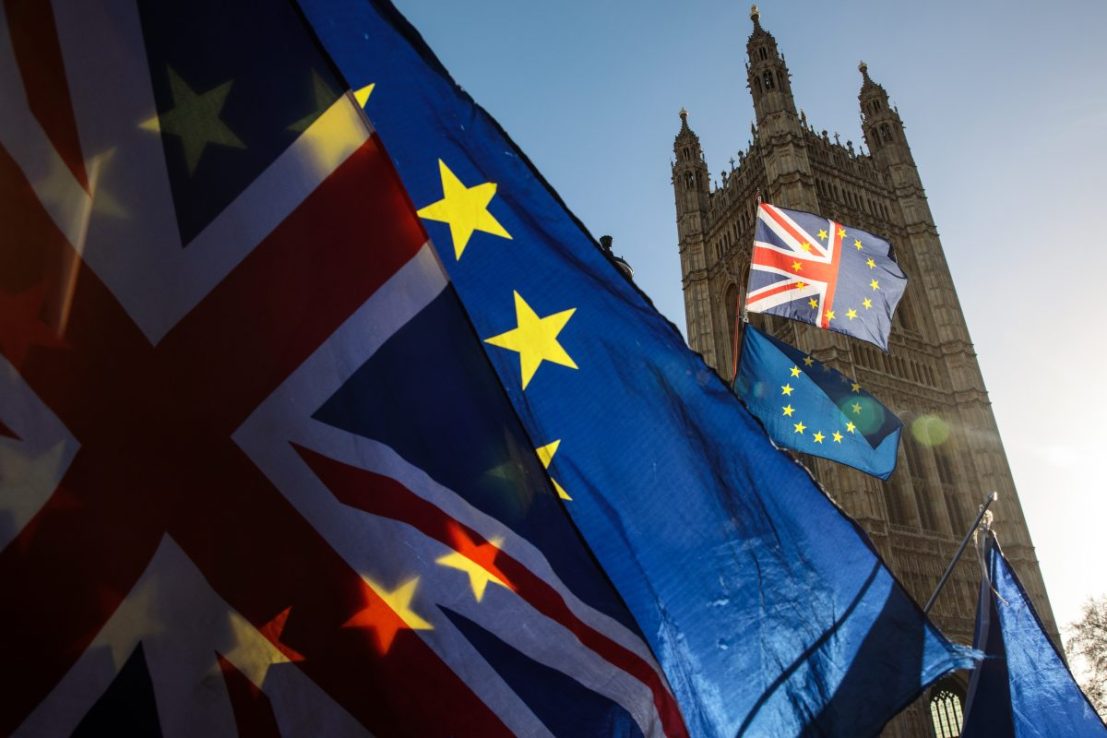
Fresh dividing lines are set to open up in parliament over the coming months as the government prepares to lay out a bill to get its EU “reset” deal signed off by MPs.
Keir Starmer has signalled his intention to build closer trade ties with the world’s largest economic bloc in a bid to boost UK growth prospects.
But questions over the UK’s sovereignty and economic ambitions are expected to be raised again, with opposition parties set to bring amendments forward and test ministers’ resilience. EU parliamentarians are also debating the terms of the deal in Brussels.
Legislation is expected to be laid out within weeks to get MPs’ approval on a trade deal announced in May last year, along with further agreements around the Erasmus student programme and other sector-specific arrangements.
Nick Thomas-Symonds, an ally of Starmer and minister for UK relations with the EU, previously told City AM he was hoping the deal will come into effect by 2027.
Under the UK’s broad alignment with the EU’s Sanitary and Phytosanitary (SPS) rules, the European Court of Justice will have jurisdiction over some legal matters that were overseen by British judges.
The agreement was struck to reduce costs for food manufacturers exporting to EU markets, which internal government analysis suggests could add up to £5.1bn to the UK economy after several years of trading.
The SPS agreement has already faced staunch opposition from the Tories and Nigel Farage’s Reform UK.
Shadow business secretary Andrew Griffith said the terms of the deal would bring “much deeper entanglement” with Europe while Farage has vowed to “undo” legislation.
The Liberal Democrats are meanwhile expected to exploit Labour officials’ wishes, including that of health secretary Wes Streeting, for the country to align itself with the EU customs union.
Brexit debates to intensify
The bill is also expected to include details on alignment on emissions trading markets. The Brexit “reset” statement also made references to various other areas of negotiation including defence and a possible youth mobility deal that have not been finalised despite months of negotiations.
City AM understands the bill could afford the UK and EU some room to finalise the terms of agreement on areas of last year’s statement that have not yet reached conclusive ends.
Fiery debates on the UK’s relations with the EU could intensify pressure on the Labour government, with YouGov polls showing Britons’ general opposition to seeing laws being decided by foreign jurisdictions despite a general disquiet over post-Brexit relations with the EU.
A Cabinet Office spokesperson said: “The UK-EU reset is improving our diplomatic, economic and security cooperation and will be worth £9bn to the UK economy by 2040. We will legislate to deliver on this, and further details of the bill will be announced in due course”