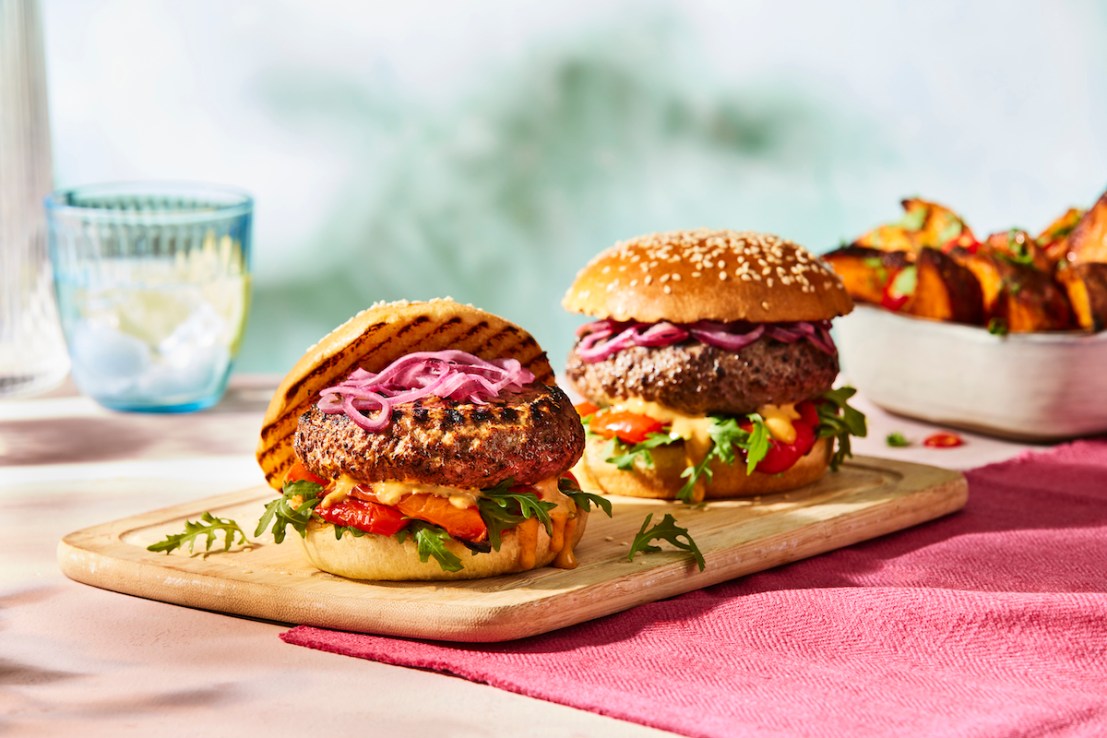
An absurd ban on advertising “unhealthy” food is nanny state overreach on steroids, says Oliver Dean
Yesterday “adverts for less healthy food and drinks” were banned from being advertised on television before 9pm and online at all times. Supporters of the legislation have heralded it as a major step toward ending unhealthy eating habits across the UK. In reality the legislation is not only a clear example of state overreach, riddled with absurdities and inaccuracies, but it simply will not work – and the data proves it.
No one is denying that healthier habits are good. Since 2016, obesity and overweight prevalence in adults has continued to increase. At the same time, the overall percentage of those involved in some type of physical activity has essentially plateaued, and the overall number of adults eating at least five portions of vegetables a day is also down. When examined from this angle, a junk food advertising ban may well seem like the guardian angel that this government needs. In theory, it would aid in the reduction of unhealthy eating habits and encourage people to take up alternatives.
However, this is simply not the case. In 2022, for instance, TfL commissioned a study to better understand the effectiveness of an advertising ban. But its conclusions were not what Sadiq Khan wanted to hear. While the report claimed that the advertising ban prevented 100,000 children from becoming obese (a figure which, as a result of the modelling used is heavily disputed) childhood obesity rates in London actually rose by 4.5 points.
Failed in London
In other words, the ban failed to achieve the very thing that it was designed to do. If this ban failed in London, why, then, does the Prime Minister think that it will work across the rest of the UK?
Such criticisms do not take into account the blatant absurdities inherent to this either. The definition on what constitutes unhealthy food could not be murkier. Under this legislation, porridge oats, cereals, crumpets and even sandwiches will be affected. Yet, simultaneously, fatty foods such as sausage rolls will be exempt from the ban. What constitutes “unhealthy” is seemingly being picked at random.
Yet, perhaps the most striking criticism of this ban is the impact that it will have on small and medium sized businesses. Too often, this government sees business not as your local mom-and-pop outfit or the independent corner shop on your highstreet, but as huge multinational corporations confined to glass-panelled skyscrapers in London. Such a perception is wrong – and it is a perception that is harming Britain’s economic performance.
Take McDonald’s, for example. A company that, at first glance, should be hit hardest by this ban. Yet, it will not feel the effects nearly as significantly as smaller competitors. 57 per cent of their menu, for instance, is classified as “non-HFSS”, that is non-high in fat, salt and sugar. Coupled with this is the fact that brands themselves are not subject to the ban, only the products. This allows household names to continue advertising on the strength of brand recognition alone, an advantage that smaller providers without such recognition do not possess. This effectively creates a market environment which stifles competition, squeezing out smaller competitors at every opportunity.
It is clear, therefore, that this advertising ban is ill-thought through, if indeed thought through at all. The data shows that it will not achieve its stated objective, smaller competitors will be cut out, and the legislation itself is laden with absurdities. The government has effectively told the British public that they do not trust them. That ordinary people up and down the country cannot be trusted to make their own, independent choices about what they consume. It is the nanny state gone mad, and we will all be paying the price.
Oliver Dean is a political commentator with Young Voices UK. He studies History and Politics at the London School of Economics and Political Science (LSE) where he is the President of the LSE Hayek Society.