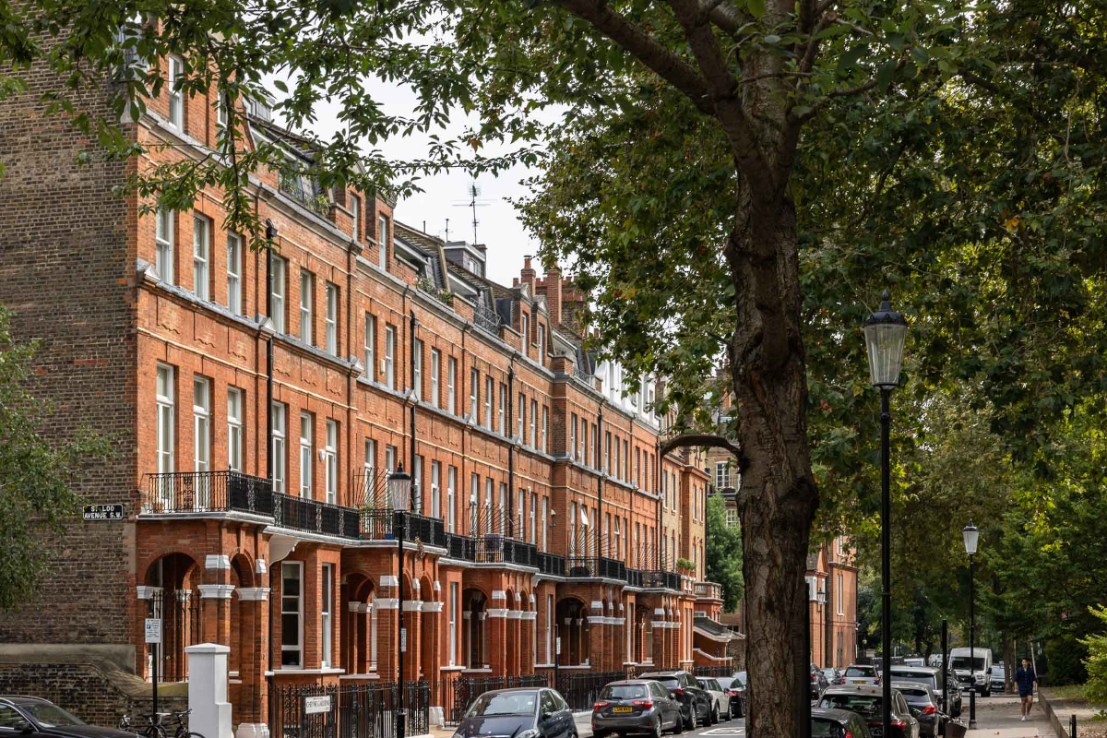
Ordinary London home owners are set to be hammered by Rachel Reeves’ Mansion Tax and skyrocketing council tax. But the capital will prove resilient, says James Evans
It’s going to be an interesting year ahead for the capital’s property owners and how they deal with the fallout from the Budget.
Central to this is how London property owners navigate the so-called Mansion Tax on properties valued at £2m and above. Which incidentally will only raise £400m for the government’s coffers.
The annual charge, proposed in the Autumn Statement will be added on top of council tax which will also increase from 2028.
It’s a body blow for London homeowners. Particularly given the Capital and south east are home to 85 per cent of properties meeting this value. However, talking to our residential property owners and investment clients, our view is that the outlook for the London property market will remain steady into 2026.
London is London. So despite this assault on the capital’s housing market by the Chancellor, buyers and sellers will continue to be guided by real-life decisions and the fundamentals that support demand across our great city. The Capital has long shown an ability to absorb policy shifts while maintaining strong demand across a broad range of price points.
But back to the Mansion Tax. There is no doubt that the devil will be in the detail of the valuation process itself. This will require regular reassessment of property values and an added admin burden for owners and the HMRC.
There have been multiple column inches charting how this punitive policy will hit ordinary home-owning Londoners and those in the south east of England. Harder indeed than castle owners on the south coast or those in stately piles in the borders i.e. those who live in actual mansion – not a one bedroom flat in a smart London neighbourhood!
Mansion or one bedroom flat?
Ms Reeves is taxing ordinary success in the Capital. It’s a misguided Robin Hood tax. Yet we’re already seeing many Londoners who’ve held off – starting to move again.
Undoubtedly, for some this tax will be impossible to navigate next year. It will drive out long-term residents who are the pillars of our postcodes. Creating a cliff edge around the threshold, distorting buyer and seller behaviour and representing life-changing sums for many. Also shrinking the pool of buyers.
Yet it could also be positive for fringe areas of London which represent good value. For example New Malden (which sits between more expensive areas like Wimbledon and Kingston) and where you can buy a three to five bedroom house for under the threshold.
So, we’re already seeing many who’ve held back due to uncertain market conditions and Pre-Budget hype getting back on the ladder.
Primarily because they’re having more kids; are moving in together; realised they are hating their entertaining space during holiday season hosting; have had a chat with their parents over a festive drink on lifetime ‘gifts’; or are planning to get divorced as the January blues hit.
London buyers will venture back. Not because the Budget has been fair. Or indeed because they’ve been smart on how to naviagate the Mansion Tax. But simply because people need homes near where they work, near their friends and where they want to spend their leisure time. Life just can’t be put on hold forever.
So what’s next? In our view, an area where the government has missed a trick in 2025 is Stamp Duty: reform is long overdue if the government gets its valuations right.
In 2026, the government really should look at reform that encourages people to move, not make it harder for ordinary Londoners to get on or move up the ladder.
James Evans, CEO of leading London real-estate agent Douglas & Gordon