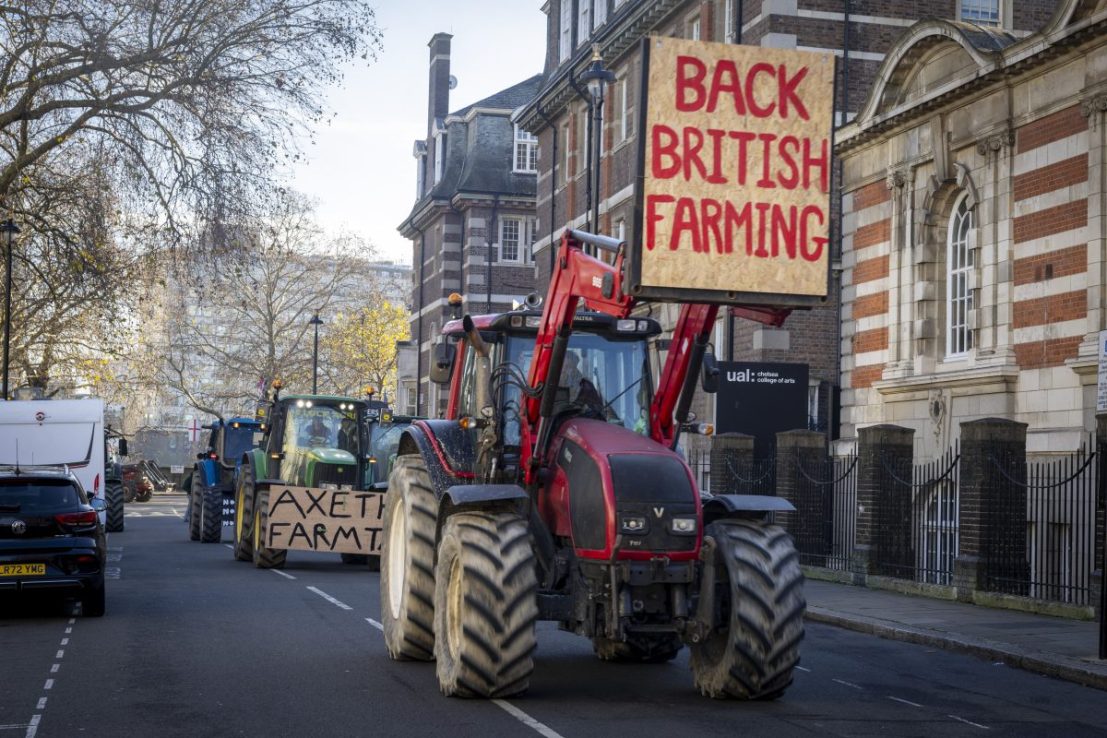
Lawyers warned that, despite Labour’s U-turn on the inheritance tax relief threshold for farms, many agricultural families may still be impacted, and significant tax burdens may remain for some estates.
In a whiplash U-turn, the Labour government revealed on Tuesday that, after a year of backlash from rural communities, it would increase the Agricultural and Business Property Reliefs threshold to £2.5m from £1m in April 2026.
As a result, this will allow spouses or civil partners to pass on estates of up to £5m without paying inheritance tax on top of existing allowances.
The government said it had “carefully considered” feedback and was “going further to protect more farms and businesses”.
The reforms around Agricultural Property Relief (APR) were introduced in Chancellor Rachel Reeves’ first Autumn Budget. There was a sigh of relief from the farming community, which has lobbied the government and has undertaken many protests in the capital.
Tom Bradshaw, the NFU president, said the announcement was a “huge relief to many”.
Farmers need to prepare for potential liabilities
However, lawyers have warned that despite the softening of its proposed reform, many of these family businesses will still face a significant additional tax burden.
Clive Pointon, head of wills, trusts and tax at law firm Aaron & Partners, stated this move by the government “should not be seen as an all-clear”.
He explained, “Many farming estates will still fall within the scope of the changes, often without owners realising it. Land and property values have risen sharply in recent years, meaning assets can exceed the new threshold far more easily than expected.”
He urged farmers that “planning now is essential to avoid unpleasant surprises later.”
James Cook, partner in the private client team at law firm Russell-Cooke, noted that this U-turn “doesn’t fix the underlying problem that farmers and business owners have spent years, if not generations, planning around one set of rules, only to see the government change course again.”
He pointed out that “raising the relief to £2.5m will help many estates on paper, but it won’t undo the disruption already caused” as “investment decisions have been delayed, succession plans have been rewritten, and confidence in long‑term policymaking has taken another hit.”
Iwan Williams, private wealth partner at law firm Michelmores, also highlighted that “many farms and estates have been considering and, in many cases, accelerating their succession plans”.
He expects this to continue into the New Year and until the full force of these changes is felt from 6 April 2026.
“Whilst the change isn’t going to be quite as bad as feared, change is still coming,” he added.