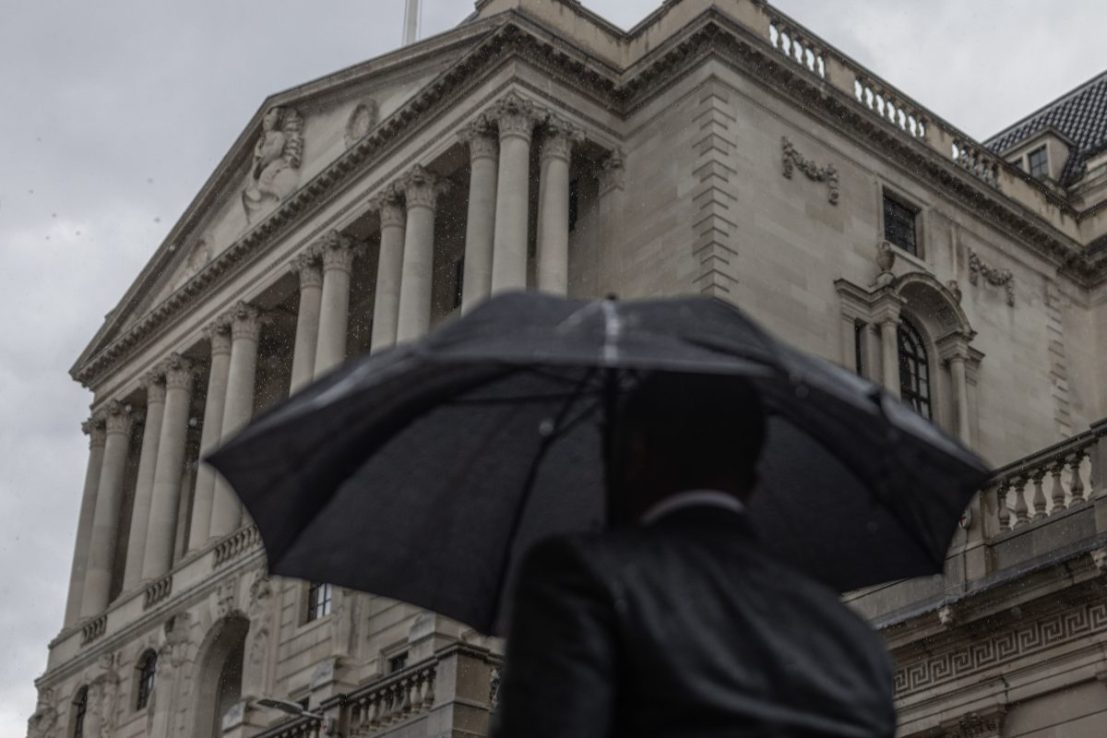
Across the globe, leaders like Donald Trump and Emmanuel Macron are challenging institutional independence and exerting their influence over monetary policy – but they could come to regret it, says Helen Thomas
For much of the past three decades, central bank independence has been treated as a settled question. Monetary policy was best left to technocrats, insulated from the electoral cycle and free to take unpopular decisions in pursuit of price stability. That consensus is now visibly fraying. Leaders across the world are tussling with the pernicious persistence of electoral kryptonite: inflation. When people feel poorer, politicians pay the price. It is no longer a matter that can be left to unelected technocrats gathering monthly behind closed doors. Political leaders want a seat in the room, even if it undermines institutional credibility and unsettles financial markets.
In the United States, Donald Trump has once again placed the Federal Reserve squarely in his sights. The two Kevins, Hassett and Warsh, are in pole position to take the role of Chair. But Trump is not a man who would ever pass up the opportunity to create a box office nailbiter. He literally made his name on a TV show that reached its denouement with the catchphrase “You’re Hired!”. And so the White House once again calls everyone back for yet another round of interviews for the role, dragging out the drama. But that’s not the end of the matter. It is still not clear if Powell will leave the Fed altogether once his term as Chair expires; nor who will replace the most recent and most dovish Fed appointee, Stephen Miran, once his term expires at the end of January 2026; nor the fate of Lisa Cook after Trump attempted to remove her. “You’re Fired!” cannot be stage managed in quite the same way when coming up against the US Constitution.
Attack the Fed
This is not new behaviour. During his first term, Trump routinely attacked the Fed for raising rates, blaming it for slowing growth and undermining his economic agenda. His second term has seen him go harder and faster. Even his new appointees know that they risk being branded “Too Late” if they don’t get on with cutting interest rates to stimulate an economy that is being buffeted by Trump’s radical decisions. Tighter immigration, higher tariffs, and removing federal workers whilst promising stimulus cheques and tax cuts would all tend to raise inflation. This is exacerbated by issuing more government debt to pay for the policy platform whilst pressuring the central bank to cut interest rates. Together this is a heady concoction for financial markets to swallow after the prior technocratic disinflationary decades.
Trump isn’t the only one challenging the consensus. President Macron recently said in an interview with Les Echos that the changing balance of geopolitics should force a re-think towards the sole mandate of the European Central Bank: “Reasserting the value of the European internal market means we can’t let inflation be our sole objective, but also growth and employment”. This was a rare intervention by a European leader. The ECB has been tight lipped in response, perhaps aware Macron himself is not long for this political world with a Presidential election slated for 2027.
Another politically beleaguered leader has also attempted to divert attention to the central bank. UK Chancellor Rachel Reeves never misses an opportunity to explain how her government policies have enabled the Bank of England to deliver interest rate cuts. In a recent grilling by parliament’s Treasury Select Committee she triumphantly referred to the prior testimony from the Bank of England’s deputy governor Clare Lombardelli, correcting the TSC “I think [she] was a bit clearer than that. I think she gave evidence to the Committee yesterday saying that next year there will be 0.4 to 0.5 percentage points off inflation because of the measures in the Budget”.
On one level, this is uncontroversial. A finance minister is not unusual in welcoming lower interest rates, particularly if a predecessor were defenestrated for presiding over much higher rates in the bond market. Yet the tone matters. The UK spent decades building a clear division between the Treasury and the Bank after granting independence in 1997. When politicians appear too eager to associate themselves with monetary decisions, it risks blurring that boundary.
At a moment when inflation has only just been brought under control, global debt levels are high and geopolitical risks are rising, stability matters more than ever. Markets can cope with tough decisions. Any uncertainty about who is really in charge will generate a risk premium.
Politicians are right to debate the role and scope of central banks. But when they start reaching for the controls, they should not be surprised if the economic machine begins to shake. Given that voters will once again be the ones paying the price for this volatility, elected leaders might think twice before demanding a seat at the inflation table.
Helen Thomas is founder and CEO of Blonde Money