Hotels in the Square Mile are set to be among the hardest-hit by the property revaluations which have sparked a clash between the hospitality sector and the government.
The business rates overhaul, introduced in the November Budget, will see the property values that determine this tax more than double across leading hotels in the City of London, which often occupy large historic buildings.
Business rates, which are charged based on the rateable value of a property, will spike by an average of 135 per cent in the new year, according to figures compiled by City AM.
The hospitality sector is locked in a feud with the government after the Budget delivered reforms to the levy which were meant to make the system fairer for small business owners.
But the industry has warned that revaluations of property values mean that some pubs, restaurants and hotels will see their bills soar.
Trade body UK Hospitality has said these “eye-watering” tax hikes must be corrected by the Treasury.
Revaluations mean the rateable value for all but two of the 18 Square Mile hotels assessed by City AM will double from April 2026.
The rateable value of the City’s hotels will go up by £1,676,306 on average, likely signalling significant business rate rises as a result.
Business rates in the Square Mile are calculated by applying a City of London multiplier to the rateable value along with any tax relief provided by the Treasury.
The levy is capped at 30 per cent of the rateable value if it exceeds £100,000.
But this cap will ease to 25 per cent plus inflation for the most expensive properties from 2027-28, until it ends following the 2028-29 tax year.
The government also offers specific relief for hospitality businesses, which can deliver a 40 per cent discount in the 2025-26 tax year.
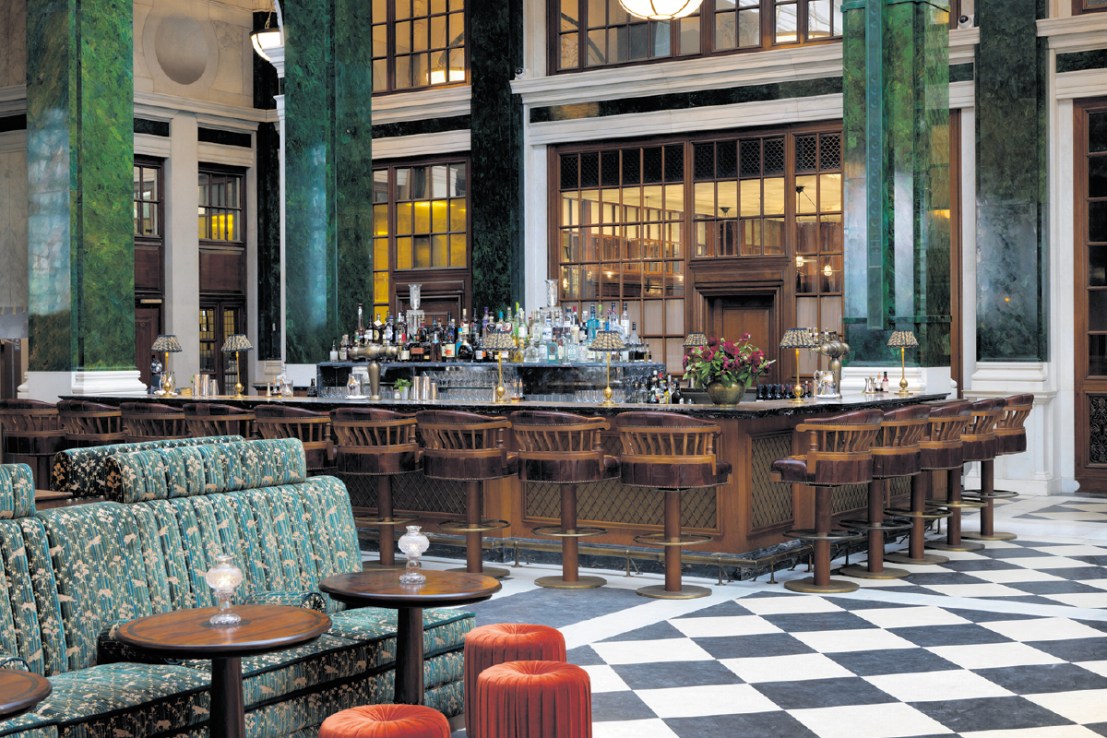
Canopy by Hilton, Minories, will be hit by the heftiest increase in its rateable value, soaring 287 per cent to £4,785,000, while Doubletree by Hilton, Tower of London, will see its value spike by £4,425,000, or 121 per cent. Meanwhile the value of The Ned, on Poultry, will climb by 47 per cent to just over £5m.
The analysis was based on each of the hotels listed by the City of London for which adequate data was available.
Property agency Savills estimates the capital’s top hotels will have to pay £535 million in total in 2027-28, and more than £645 million in 2028-29, according to The Times.
‘Challenging time’ for Square Mile hoteliers
Thomas Emmanuel, director in Savills’ hotels division, told City AM central London hotels will be “disproportionately” hit with business rate hikes because of the high-value properties they inhabit.
“The inconsistency is really substantial and it’s going to be a challenge for those that have been hit significantly, without a shadow of a doubt,” Emmanuel said.
“While some will benefit [from business rate reforms], for those that are hit heavily it’s going to [have] a big impact and it’s another challenge for the industry, off the back of National Insurance contributions [rises], minimum wage increases and so forth. So it’s a challenging time.”
Kate Nicholls, the chair of trade body UKHospitality, told City AM the government has failed to “level the playing field” between the high street and giant online businesses.
“We repeatedly warned the Treasury ahead of the Budget that hospitality would be uniquely impacted by significant increases to rateable values, due to the pandemic impacting previous valuations,” Nicholls said.
“The eye-watering increases facing hotels and other venues was exactly the reason why the Treasury had to implement the maximum possible discount. The Government needs to take action.”
Last week, landlords across the country launched a campaign to bar Labour MPs from pubs over the business rates row.
A Treasury spokesperson said: “With Covid support ending and valuations rising, some firms may face higher costs – so we have stepped in to help businesses, including hotels, as part of a £4.3 billion support package.
“We back Britain’s brilliant hospitality industry which is why we have capped Corporation Tax at 25%, the lowest rate in the G7 and permanently lowered business rates tax rates for eligible retail, hospitality and leisure properties.”