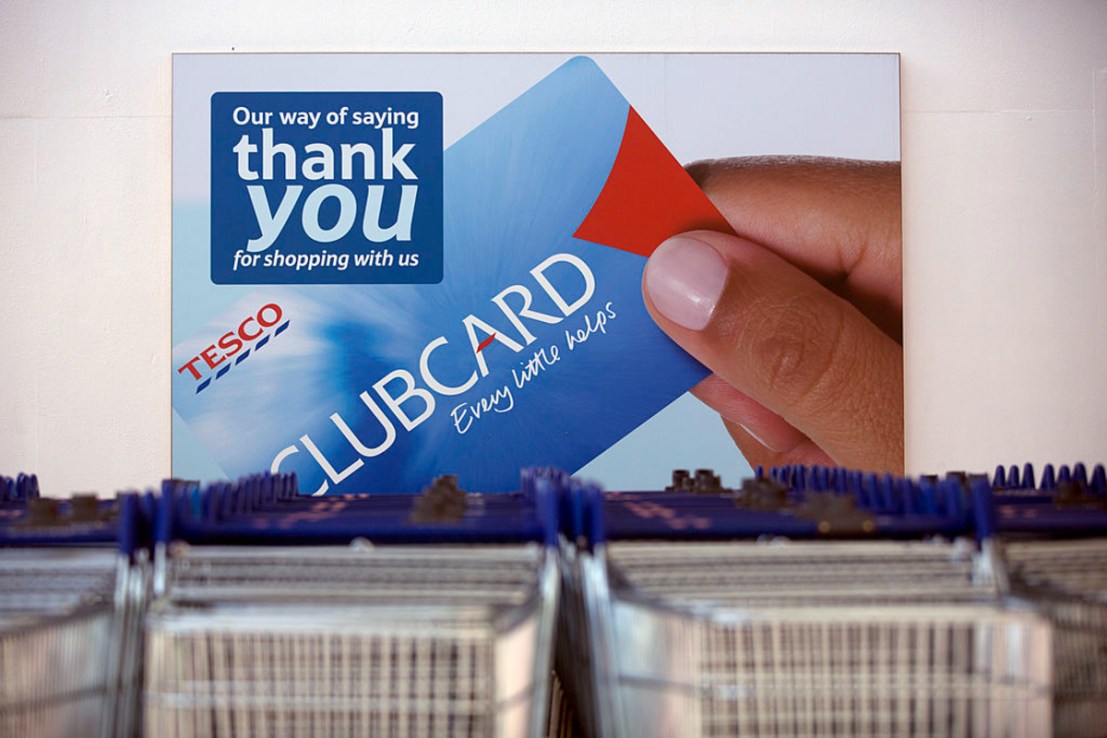
With an abundance of information about their customers at their fingertips, some of the UK’s largest retailers are looking and behaving increasingly like media agencies, writes Ali Lyon
Having a baby tends to be a highly personal journey. Conscious of the all-important three-month miscarriage cut-off, many wannabe parents will, quite understandably, think painstakingly about who to tell first and – more importantly – when to tell them.
But while mums and dads to be ‘um and ah’ over to how to share the news with their nearest and dearest, another, altogether less personal relationship will know their happy secret already.
“Supermarkets are the first to know if you’re having a baby,” says Clive Black, a retail analyst at Shore Capital. “They know whether you’ve just got a dog. They know whether you’ve got a penchant for vodka and all the rest of it.”
The rise of online shopping and loyalty schemes has ushered in a world where retailers have more information on their customers than customers will have on – or indeed know about – themselves. Started adding Pedigree Chum to your weekly shop? Your supermarket of choice will know you’ve recently acquired a new furry friend. Cut down on your fix of overly indulgent items after the turn of the year? It will know your admirable weight-cutting intentions; and, most likely, when you’ll prematurely pack them in.
And in the case of an incoming baby – the pregnancy tests, the prenatal vitamins and the conspicuous absence of your tipple of choice – will all betray one thing to your favourite loyalty card-touting grocer, pharmacist or online delivery platform.
Sainsbury’s boasts one of the most advanced retail media offerings. Credit: David Parry/PA Media Assignments.
Retailers or advertisers?
This has endowed retailers with vast banks of data about how and when customers shop and the kind of messaging that will persuade them to drop that non-essential item into their physical or virtual basket. All that information is, unsurprisingly, manna from heaven for the well-resourced brands and advertisers that plough inordinate resources into convincing you choose their product above the competition.
Britain’s famously entrepreneurial and assiduous supermarkets have realised there is big cash be made in the data veritable data gold mine they have built up, often over the course of many years. There is the act of selling digital space – or pushing paid notifications on apps or emails – to big brands using that data, or just selling ever better targeted advertising in the stores where many have a captive audience for upwards of half an hour.
Whichever form it comes in, all of it falls under the umbrella of ‘retail media’, and it is becoming as essential to major retailers’ business models, as sourcing good, affordable groceries and providing a pleasant, convenient shopping experience.
“It’s one of those really interesting areas that flew under the radar for slightly too long because it hadn’t been considered an explicit thing,” Claire Holubowsky, a senior analyst at media strategist Enders Analysis, tells City AM. “But all the conditions for its success have been there for 20 years.”
Investors have started to take note, too. As part of their impressive Christmas trading updates last week, both Tesco and Sainsbury’s felt compelled to devote unprecedented room to the respective inroads they have made on the retail media front.
Tesco – the UK’s largest supermarket – hailed its “expanded retail media offer” that it had rolled out over the three-month trading period, including the launch of screens at its Booker wholesale food stores and new video. Its efforts, the FTSE 50 company boasted, had even earned it the coveted Media Brand of the Year award at a recent industry jamboree.
Sainsbury’s went event further, devoting more space to updates on its retail offering than it did to Argos, despite the £4.1bn portfolio business undergoing a major transformation on which – one imagines – investors will also be hungry for information. Within the update, the supermarket revealed plans to “double the number of instore screens by the end of next financial year” and create new ways to promote products to customers through its handheld self-checkout scanners.
Both retailers have even launched – or in Tesco’s case, acquired – their own retail media platforms that equip advertisers. With these, says Shore Capital’s Black, the pitch to big brands is simple: “We can get to your customers more efficiently than you can with general advertisers. We know when our shoppers buy your product – by store, by time of day, all the rest of it – and this is proprietary information that we can then get behind to help your advertising.”
An enticing proposition to big brands
This allows them to slash wasted ad spend, focusing their efforts on times and people more likely to convert to a sale. Are shoppers more likely to develop a pang for Blossom Hill’s finest sauvignon blanc towards the end of the working week? If a supermarket’s data says yes, then why would its client squander their marketing budget advertising on the swanking digital in-store on-screens on Mondays and Tuesdays?
And there is more scope for personalisation still for online shoppers, where supermarkets’ apps will push mind-reading notifications and their websites show eerily appropriate adverts.
All of this proves especially enticing to advertisers unsure of where to allocate their media spend, according to Paolo Pescatore, an independent media analyst.
“They are attractive to brands because they have strong first-party loyalty data and can provide closed-loop measurement linking ad exposure to actual sales,” he says. In other words, where brands have found it perennially hard to measure just how successful a TV ad campaign has been at converting to sales, retail media is able to give them the full picture.
This holistic service has already become a cash cow to the retailers further along their media evolution. Sainsbury’s looks set to hit early its previously announced goal of generating £100m profit by 2027. Tesco, according to Black, is on track to rake in £300m profit while the industry as a whole will top £5bn in the UK alone this year.
“Advertising is a much higher margin business,” says Holubowsky. “A lot of the significance to supermarkets isn’t quite visible yet. But then that’s beginning to change as everyone realises that retail media is big. And it’s not going away.”