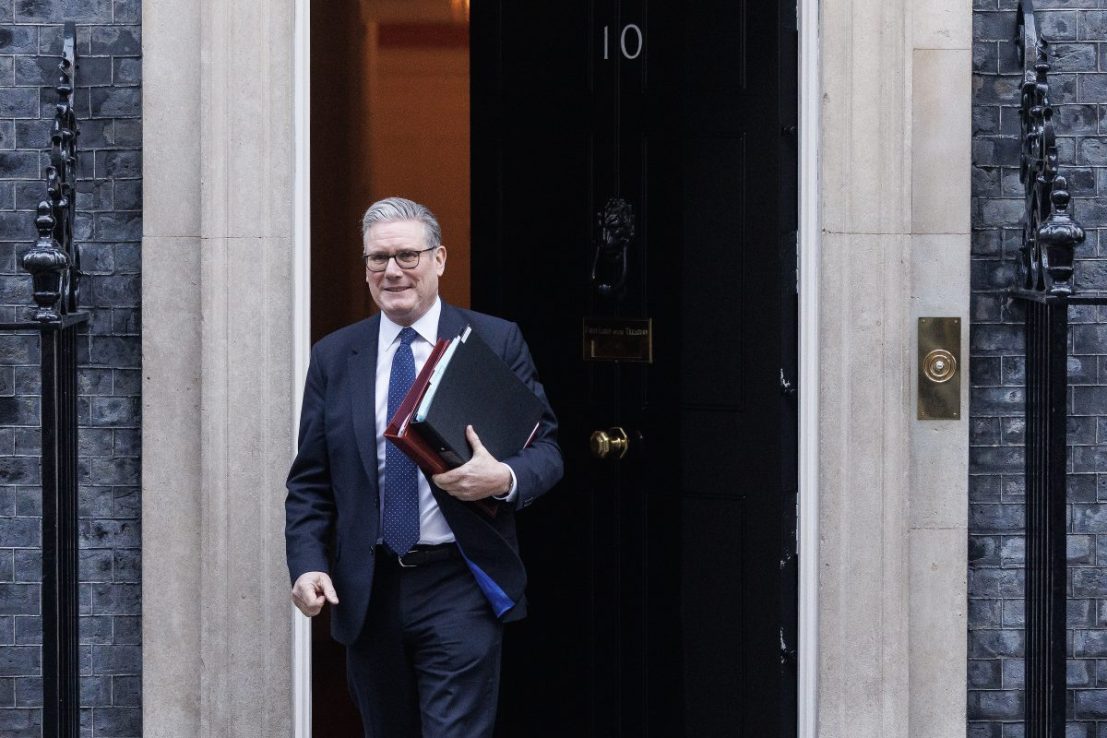
Leaders rarely fail because of a single decision. Starmer’s problem is that voters are pessimistic on almost every major measure, writes Matthew Lesh
The start of the year has been dominated by truly ground-shaking global events – from the extraordinary American operation disposing of Venezuela’s autocratic leader, through to heroic protesters risking their lives on the streets of Tehran, and Donald Trump making claims to Greenland’s finest glaciers. It’s hard to believe we’re not even halfway through January.
This month’s City AM / Freshwater Strategy Poll reflects these events in the increased number of British voters who say improving defence and national security is among their top three priorities for the government (up seven points to 18 per cent). Yet, for all the noise, global affairs remain a relatively distant concern for most, still far outweighed by domestic priorities: cost of living (54 per cent), migration (45 per cent), and health and social care (35 per cent).
These issues will play a defining role in Prime Minister Keir Starmer’s prospects this year – and to put it bluntly, optimism is in short supply. Almost three-quarters (73 per cent) say the country is heading in the wrong direction. Brits also have a strong sense of foreboding about the cost of living (71 per cent pessimistic), taxes and household finances (66 per cent pessimistic) and the state of the economy (62 per cent pessimistic).
Last year’s central political question was whether Labour would be able to recover from a poor start. Now, after countless failed attempts to identify missions, reset the narrative and the latest focusing on the basics, it’s increasingly coming down to whether Keir will even survive. A majority of voters (52 per cent) now say that Starmer is unlikely to still be Prime Minister at year’s end, while his approval rating (-44) remains dire.
Voting intentions spell trouble for Starmer
Meanwhile, on voting intentions for the next election, Reform has ticked up two points to 33 per cent, while the Tories’ apparent recovery may have come to an end, with the historically dominant party down one point to 19 per cent, equal with a struggling Labour. The remaking of Britain’s political landscape is far from over. This raises the prospect of poor showings in the local elections in May, marking the beginning of the end for the leaders of Britain’s traditionally two biggest parties.
After successive tax hikes and accusations of broken promises against the Chancellor, few are expecting a change in approach this year. Three-quarters (77 per cent) of British voters expect further tax rises over the course of the year ahead, including a majority of Labour voters (59 per cent), and an overwhelming number (84 per cent) are concerned about the potential impact of such rises.
Last week, the government did another screeching U-turn, this time on the business rates increase for pubs. Still, a majority (58 per cent) are concerned about the state of pubs in their local community. Labour’s divide and conquer strategy on business rates may also not work; voters support the entire sector, not just the places that serve pints. There is a clear consensus (70 per cent agree) among voters that the government should also water down business rates changes for the wider hospitality industry.
Leaders rarely fail because of a single decision. Rather, their status slowly erodes as confidence drains away. With voters pessimistic on almost every major measure, and a majority already doubting that Starmer will still be in Downing Street by year’s end, Labour risks entering a vicious cycle in which authority weakens. For a Prime Minister elected on competence and stability, that is an especially dangerous position.
Matthew Lesh is country manager at Freshwater Strategy