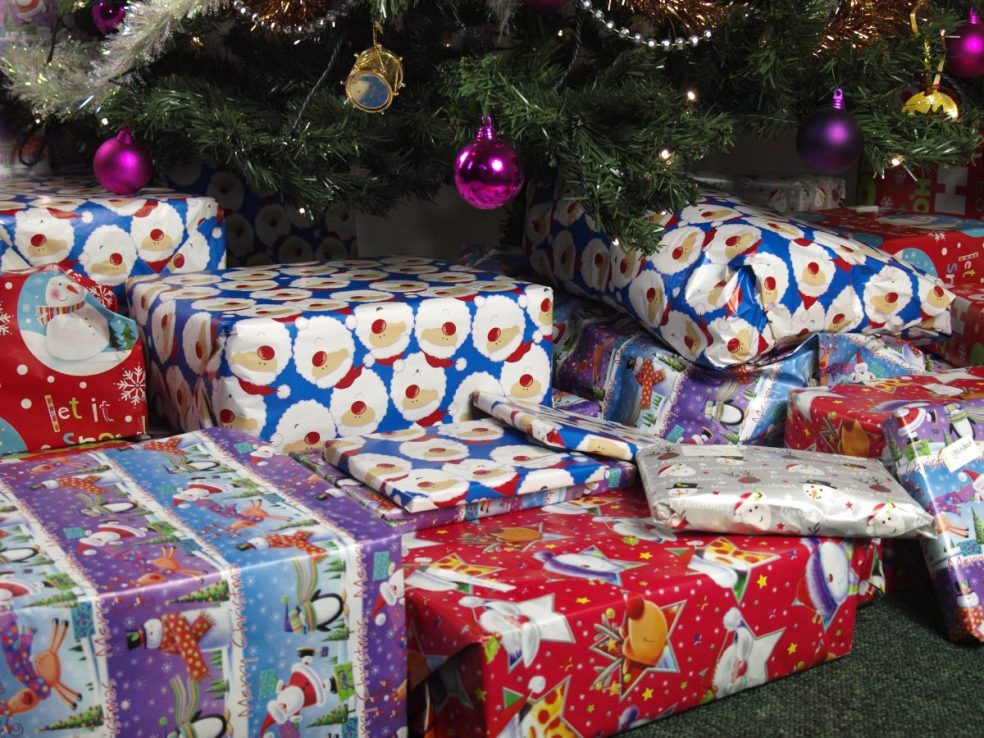
Not everyone is thrilled with their Christmas haul, after all, there are only so many novelty socks, scented candles, and mystery kitchen gadgets one household can handle before space starts to run out.
Usually, as a result, apps like Vinted see a surge in activity around Christmas, with sellers hoping to offload unwanted gifts.
However, back in May, HMRC launched the ‘One to Many’ letter campaign, which ‘nudged’ individuals suspected of operating in the hidden economy.
To ensure you stay on the right side of the law, a Deloitte tax expert explained the rules of selling on these platforms to City AM on what you do and don’t need to declare to HMRC.
Selling unwanted gifts on eBay and Vinted
The HMRC campaign was intended to prompt sellers on sites like Airbnb, eBay and Vinted to come forward to bring their tax affairs up to date.
These digital platforms are now required to report sales data to HMRC if an individual sells at least 30 items or receives proceeds of approximately £1,700.
However, these measures are primarily aimed at identifying individuals running online businesses, not casual declutterers.
Rachel McEleney, director in tax policy at Deloitte UK, explained: “Someone knitting 50 Christmas jumpers and selling them online for over £1,000 should be paying income tax on any profit made, whereas someone selling a similar number of old garments that they originally bought for their own use is unlikely to be running a business.”
“The good news for most people having a post-Christmas clear out is that HMRC is not interested in those merely decluttering their house and selling their own belongings,” she added.
McEleney explained that HMRC focuses on people making a profit from running a business, such as crafting items or operating market stalls.
The art of the regift
Other key tax takeaways for a Christmas clear-out, Deloitte shared, include that no income tax or capital gains tax is due on most personal sales.
The Big Four giant noted that if someone is selling personal belongings rather than running a business, income tax generally doesn’t apply, and most household items are also exempt from capital gains tax under a ‘chattel exemption’ if they are worth less than £6,000 individually.
However, instead of selling, donating unwanted items to a charity shop can significantly boost a charity’s funds, especially if it operates a retail Gift Aid scheme.
Under these schemes, the charity sells the goods on your behalf and can claim an additional 25 per cent from HMRC on the sale proceeds that you give them if the person makes a Gift Aid declaration.
Higher-rate taxpayers may also be entitled to further income tax relief when donating.