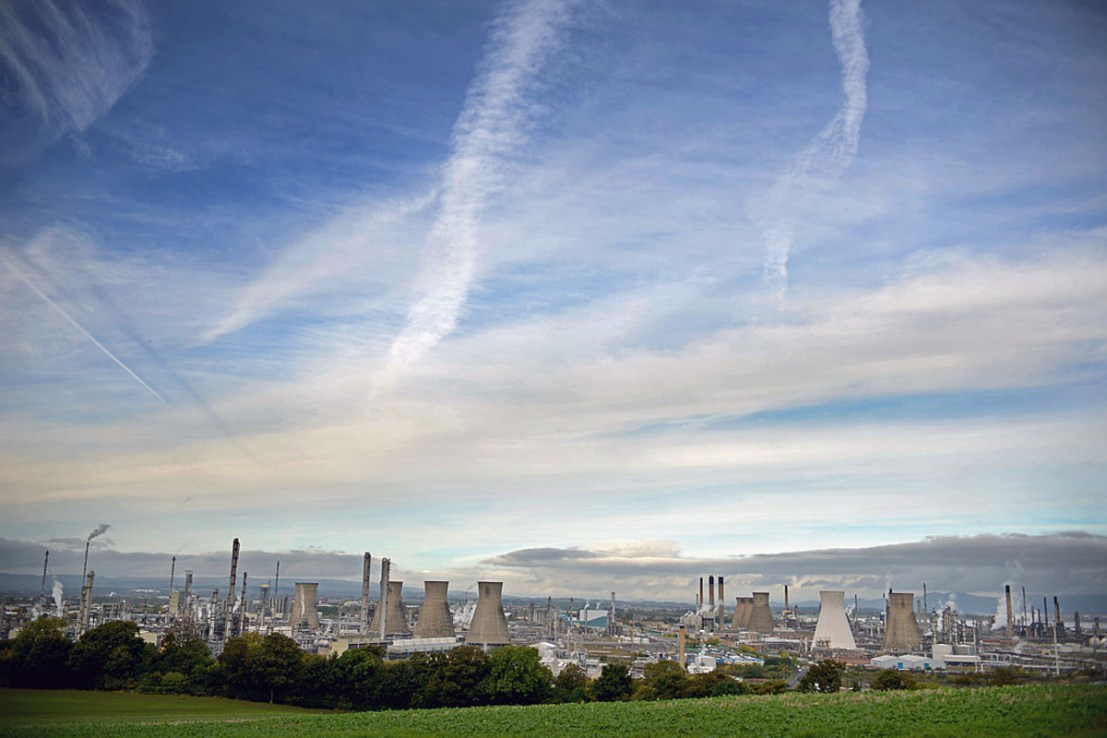
The government has piled over £100m into Britain’s last remaining ethylene plant in Grangemouth, saving hundreds of livelihoods after its owner warned that sky-high energy costs had left it on the brink of closure.
Ministers inked a “landmark partnership” with Sir Jim Ratcliffe’s Ineos on Wednesday to secure the future of the Falkirk plant, which breaks oil and gas down into a substance called ethylene used in chemical-grade plastics and water treatment processes.
Under the agreement, the government will inject £120m of taxpayers’ cash into the refinery, topped up by a £30m investment from its chemicals giant Ineos, which runs and owns the site.
“This £150m investment in the future of a major UK industrial site demonstrates INEOS and the UK government’s commitment to British manufacturing,” said Ratcliffe, a previously staunch critic of the Labour government’s energy policy. “The support of the UK government is welcome as we work to deliver competitive and efficient low-carbon manufacturing for the UK, long term.”
Keir Starmer added the deal as evidence the government was “delivering new opportunities, fresh investment and security for… workers in Scotland”.
The announcement comes less than a month after Exxon Mobil chose to close the UK’s only other ethylene site, in a decision it blamed on the UK’s “economic and policy environment”. It made the move, which is set to result in over 450 job losses, after failing to find a buyer on account of “high supply costs and plant efficiency,” it said.
Grangemouth on the brink
It also follows a stark warning issued in August by the Ineos Grangemouth’s chief executive, who warned the firm would “have to make very difficult decisions” about the plant’s future without a drastic turnaround in economic conditions.
“Ineos has had to effectively subsidise the Grangemouth business from profits it makes on other businesses around the world, and has done that for a number of years. That’s the only way we’ve been able to survive,” boss Stuart Collings told The Telegraph in August.
The financial sustainability of many energy-intensive sectors like chemical processing and steelmaking has been plunged into uncertainty by the UK’s sky-high industrial energy prices, which are now the most expensive in the G7.
British firms’ energy bills are roughly double those paid by competitors in Europe and four times higher than their US counterparts. The acute situation led business secretary Peter Kyle to announce plans to slash electricity costs for the UK’s most energy intensive firms by 25 per cent last month.
Commenting on the deal in Grangemouth, Kyle said: “By partnering with Ineos, we are backing the plant and its long-term future, giving certainty to workers and the supply chain going forward.
“This approach is part of our modern industrial strategy through which we are working to reduce the cost of energy for industry and support manufacturing in the UK.”