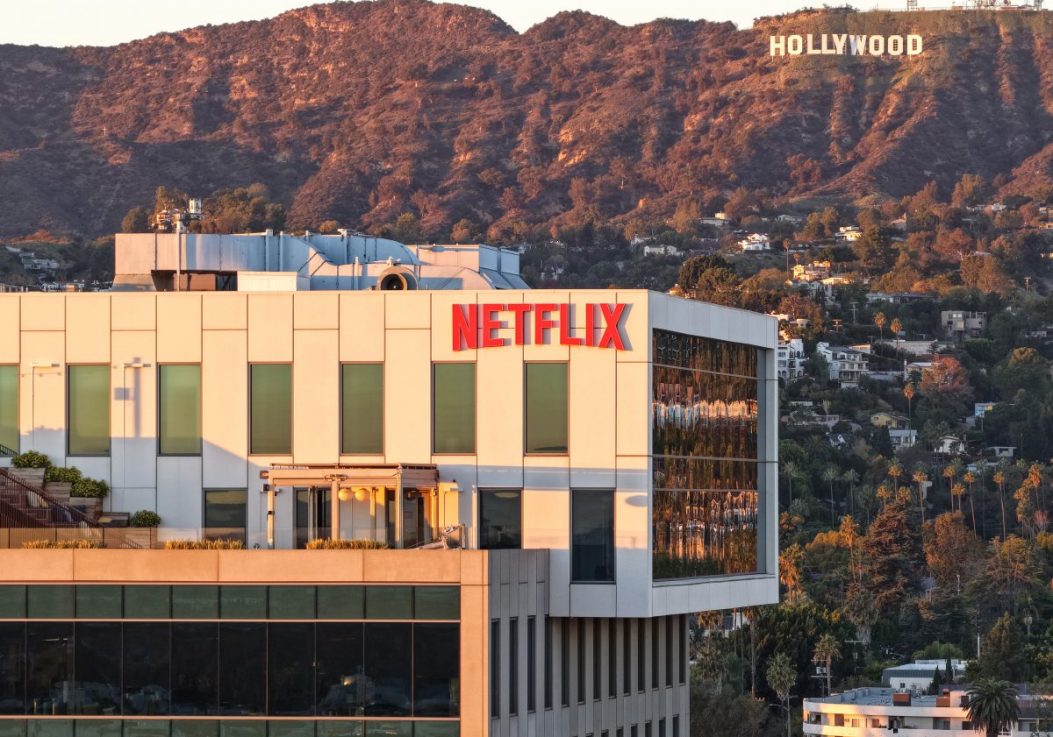
If you have so much as glanced at any headlines in the past few days, you will have seen that Hollywood is entering a new era of streaming consolidation, with Netflix leading the way.
The US giant has agreed a mega $72bn (£54bn) deal to acquire Warner Bros Discovery’s film and TV studios, HBO Max, and its iconic franchises like Harry Potter and Game of Thrones.
The deal, announced last Friday, values Warner’s assets at $82.7bn including debt, with Netflix offering $27.75 per share and a record-breaking $5.8bn breakup fee if regulators block the acquisition.
But, while the handshake was made last week, the road to completion will be anything but straightforward.
Paramount enters the ring
Paramount, led by David Ellison, wasn’t ready to roll over.
The US-based company has launched a hostile $30 per share all-cash bid, arguing it provides $18 billion more in cash to Warner shareholders and a “more certain and quicker path to completion.”
Ellison claimed that Paramount’s offer “provides superior value”, and is likely to face fewer regulatory hurdles.
The battle lines have been drawn. While Netflix wants the cherry on top of Warner Bros’ empire, Paramount wants to play spoiler.
And with president Donald Trump now explicitly announcing his involvment in the regulatory review, the political stakes have skyrocketed.
The president has warned that Netflix’s market share is “very big” and therefore “could be a problem”.
This bidding war has exposed the inherent risks in this kind of mega merger.
John Colley, professor of practice at Warwick Business School, argued: “The premium of 121 per cent above Warner Bros. Discovery’s undisturbed share price is enormous. Driven by bidding competition and little due diligence, the cost of this deal may lay heavily on Netflix.”
“Very often shareholder value only declines following such large deals. Is there any reason this one should be different?”
Colley also flags that Netflix has traditionally been a builder rather than a buyer, meaning integration here is “a novel approach”, and not one without challenges.
Industry reactions
Ted Sarandos, co-chief of Netflix, has emphasised the opportunity to “give audiences more of what they love and help define the next century of storytelling.”
But industry analysts have been more cautious. Paolo Pescatore, founder of PP Foresight, acknowledged that this deal is a “huge statement of intent” for Netflix but stresses that defining the market will be key.
“Is there a distinct streaming market, or do streamers compete with providers like YouTube and TikTok? An expanded market definition is the likely narrative companies will pitch to regulators”, he added.
Reuben Miller of Dealreporter agreed: “The combined dominant streaming player will be heavily scrutinised. Paramount Skydance’s pursuit of WBD ensures this isn’t going quietly.”
A complex deal
The timing and mechanics of the deal are as complicated as its scale.
Warner Bros Discovery will spin off Discovery Global, which includes legacy cable networks like CNN and US TNT Sports, leaving Netflix with the studio, HBO, HBO Max, and international TNT Sports operations, including the UK.
Undoubtedly, the move raises immediate questions for British viewers. Will HBO Max still launch in March 2026 as planned?
What happens to Sky’s existing HBO Max bundle? And how will Netflix handle TNT Sports, which holds Premier League, FA Cup, MotoGP, UFC, and Grand Slam tennis rights but is already losing money?
Netflix’s approach seems like a measured one, albeit ambitious.
Sarandos’ team has promised to maintain Warner Bros’ operations while leveraging the IP to expand globally.
Omdia’s Maria Rua Aguete has predicted the combined platform could reach 350–400 million unique subscribers, consolidating Netflix’s position as the world’s dominant direct-to-consumer video service.
Ampere Analysis noted that this merger would give Netflix “both scale and access to the engine room of Warner’s studio production,” potentially shortcutting years of content-building effort.
Costanza Barrai, from GlobalData, added: “Netflix would gain more theatrical and unscripted content, combining deep libraries that are varied and complementary.”
Implications for creators, regulators, and customers
Yet for the people creating this content, the implications seem a little less rosy.
Netflix has a history of cost-cutting and efficiency, which in Hollywood translates to shorter seasons and smaller crews.
Colley warned that integrating such a large monolith has never been known for being straightforward.
“Competition issues, a high price, little due diligence, and integration issues are all stacked against the deal being a success”, he said.
Danni Hewson, head of financial analysis at AJ Bell, also noted: “Netflix has offered an olive branch to Hollywood by promising to keep Warner Bros studio films on the big screen, but the real test will be in execution.”
Meanwhile, the Department of Justice will likely scrutinise the merger, particularly as Netflix and HBO Max combined would control over 30 per cent of the US streaming market.
Senator Roger Marshall warned of a “textbook horizontal antitrust problem,” while the Writers Guild argued that the merger could push down wages, and even eliminate jobs.
While Netflix is the dominant player, defining the relevant market will be far from simple.
Miller noted that regulators could narrow the market definition to “premium streaming platforms”, or “platforms that produce their own content,” which may heighten scrutiny.
And, in the UK, the implications are equally knotty.
Sky customers could see HBO Max content maintained in existing bundles initially, but any long-term consolidation would likely lead to Netflix charging more, which will then impact pricing.
TNT Sports, already a loss-making operation, may also become a paid add-on or be gradually divested.
Meanwhile, Discovery+ would be left largely with factual and lifestyle programming, a less compelling proposition on its own.
Where does this leave the customer?
But, what about the consumer? Netflix’s recent UK price hikes suggest that further increases loom ahead.
Scenario planning ranges from HBO Max remaining standalone, becoming a Netflix add-on, or full absorption into Netflix’s ecosystem.
Each scenario has implications for pricing, content access, and competition within the British streaming market.
Paolo Pescatore noted that consolidation might benefit consumers by reducing the number of subscriptions required to access top content, yet warned that “too many streamers chasing too few dollars” could squeeze the creative workforce.